
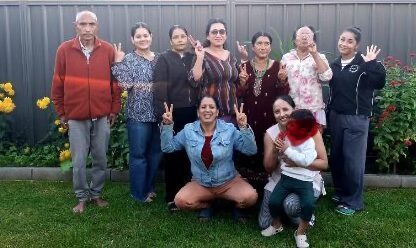
On 16 May 2026, a self-help women group proudly organised the first-ever Cancer Awareness Program for the Nepali-speaking refugee and migrant community in Killara and Wodonga areas with support and encouragement by Punya Foundation. This culturally responsive initiative was created to address gaps in accessible health education and awareness about cancer for migrant and refugee communities living in rural and regional Victoria.
The session was facilitated by Ms Bhakti Dhamala and supported by Ms Hari Subedi. 17 participants from Nepali-speaking refugee and migrant backgrounds participated in a safe, welcoming, and inclusive environment where people could openly learn, reflect, share stories, and discuss cancer awareness and prevention. The session was highly interactive and community-centred, encouraging participants to actively engage through discussion, lived experiences, and collective learning rather than one-way information delivery.
A key strength of the session was the use of lived examples, local health data, and practical community-based discussions that helped participants connect the information to their own everyday realities. Participants reflected on how limited awareness, language barriers, stigma, and lack of culturally appropriate information often prevent migrant families, especially women and newly arrived communities, from accessing timely cancer screening, support, and healthcare services.
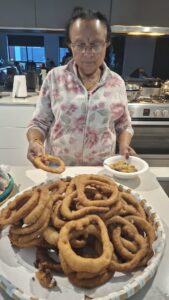
Participants Served with Healthy & Typical Nepali Cuisine – Selroti.
From the community empowerment lens, the program recognised the importance of creating spaces where women, caregivers, and community members can speak openly about health, challenge silence and stigma around cancer, and increase confidence in making informed decisions about their wellbeing. The session acknowledged that health education is not only about information-sharing but also about equity, inclusion, dignity, and the right of all communities to access life-saving knowledge in their own language.
The session included:
- Interactive cancer awareness education
- Discussion using local and community-relevant data
- Reflection and lived-experience storytelling
- Conversations about prevention and early screening
- Community dialogue and peer learning
- Information delivered in participants’ home language
Participants shared strong and positive feedback about the importance of bringing culturally safe and language-specific health education programs to small rural and regional communities. Many participants stated that this was the first time they had attended a cancer awareness session delivered in Nepali and watched podcast in Nepali language and in a way that felt respectful, understandable, and relevant to their lives.
One participant, Mr. Thagi Subedi, shared: “We stand together and fight for cancer awareness and safety.” Another participant, Miss Anu Khanal, expressed: “I am thankful and would like to express my greatest gratitude for this session.”
These reflections demonstrate the importance of creating inclusive and empowering health education spaces where community members feel heard, valued, and informed.
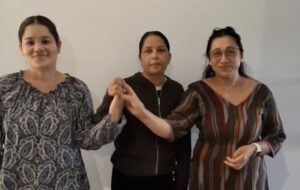 The program highlighted the powerful impact of community-led, culturally informed, and trauma-aware health education. It also reinforced the urgent need for continued support and investment in health literacy programs for refugee and migrant communities outside metropolitan areas, where access to information and services can often be limited.
Importantly, the session strengthened community connection, encouraged open conversations about cancer, increased awareness about the importance of informed decision-making, and empowered participants to share knowledge within their families and broader communities.
Punya Foundation thanks Ms Bhakti Mainali, supporting volunteers and all participants, and community members who contributed to making this important initiative possible. Together, we continue working toward healthier, informed, and more equitable communities where everyone has opportunity to access health knowledge with dignity and confidence.