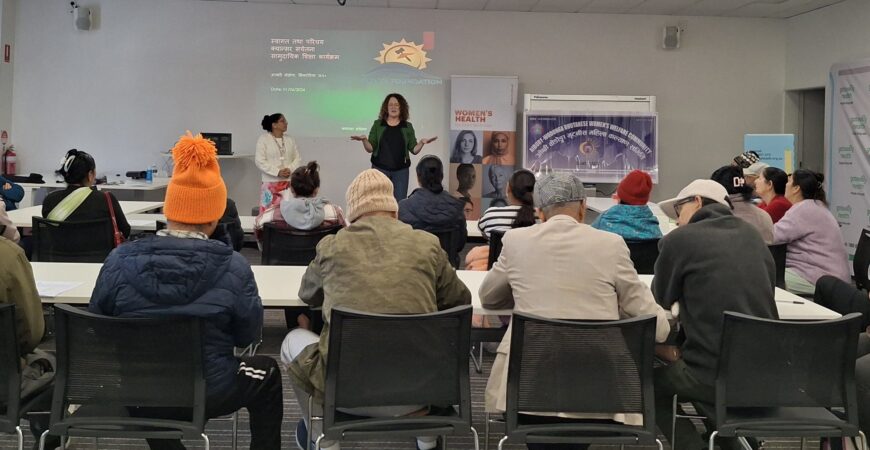
The Albury Wodonga Bhutanese Women Welfare Community proudly delivered its second and most successful Cancer Awareness Community Education Program on 1 June 2026 in Wodonga. Supported by Australian Government through Cancer Australia under Supporting People with Cancer Grant program, the is a project implemented through Punya Foundation.
The program brought together Nepalese and Bhutanese community members from across the Albury-Wodonga region to learn about cancer prevention, early detection, and access to healthcare services. Delivered in the Nepali language and co-facilitated by bilingual health professionals and community leaders, the session created a culturally safe and welcoming environment where participants felt comfortable discussing sensitive health topics, asking questions, and sharing personal experiences. The program aimed to improve health literacy, reduce barriers to healthcare access, and strengthen connections between multicultural communities and local health services. Participants received practical and evidence-based information on three important areas:
- General Cancer Awareness and Preventive Health: Presented by Ms Tracy Farrant from Women’s Health Goulburn Northeast, this session explored:
- Understanding cancer and common risk factors
- Healthy lifestyle choices and preventive health practices
- The importance of regular health checks
- Early detection and cancer screening
- Accessing healthcare services and support
- Breast Cancer Awareness and Screening: Ms Heather Wiseman from the BreastScreen service provided information about:
- Signs and symptoms of breast cancer
- The importance of routine breast screening
- What to expect during a screening appointment
- Local screening services and referral pathways
- Addressing cultural barriers, fears, and misconceptions
- Bowel Cancer Awareness and Screening: Ms Bhakti Mainali Dhamala from Women’s Health Goulburn North East led an interactive session covering:
- Bowel cancer risk factors and symptoms
- Early detection and prevention
- Eligibility for screening programs
- Practical demonstrations using bowel screening test kits
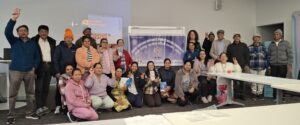
Strong Community Engagement: The program attracted women and men from Nepalese and Bhutanese backgrounds living throughout the border region. Participants actively engaged in discussions and highlighted the value of receiving health information in their own language. One participant shared, “This is a great opportunity because we are able to openly chat, ask questions, and listen in our own language.” Another reflected, “This is our opportunity to learn within our own community and receive the message in our own language.”
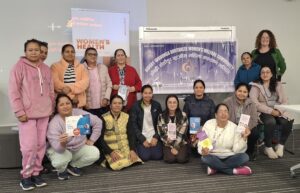 Key Learnings and Impact: Participant feedback identified several barriers commonly faced by migrant and refugee communities, including:
- Difficulty navigating the Australian healthcare system
- Language barriers
- Limited access to culturally appropriate information
- Low awareness of screening programs
- Uncertainty about available support services
Evaluation results demonstrated increased awareness and confidence regarding cancer prevention and screening. Participants reported:
- Greater understanding of cancer prevention
- Improved awareness of breast and bowel cancer screening
- Increased confidence in accessing health services
- Reduced fear and stigma associated with cancer discussions
- Better knowledge of available support pathways
Looking Forward: While the program achieved significant success, organisers noted that fear and stigma surrounding cancer remain challenges within some culturally and linguistically diverse communities. Many participants expressed a strong desire for ongoing education and support.
The success of this initiative demonstrates that community-led, language-specific, and culturally responsive health education is highly effective in improving health literacy, building trust, reducing stigma, and promoting preventive healthcare. Continued investment in bilingual and community-led health promotion programs will be essential to advancing health equity and improving outcomes for multicultural communities across regional Victoria.
Punya Foundation is proud to have collaborated with the Albury Wodonga Bhutanese Women Welfare Community. It thanks all the participants, facilitators and in particular Ms Bhakti Mainali Dhamala for collaboration and networking.