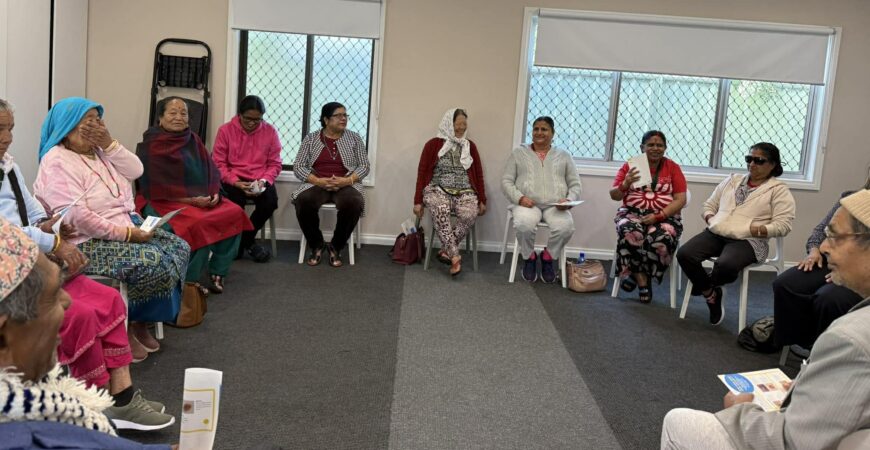
A cancer awareness session on the 13th of April 2026 was successfully delivered in Albury, NSW, to a predominantly Nepali-speaking audience, with the majority participants having a Bhutanese background. Over 25 participants attended the program. The program was organised by the Bhutanese Australian Community Support Group Albury Wodonga Inc. Led by Puna Foundation, this project is Funded by the Australian Government through Cancer Australia’s Supporting People with Cancer Grant Program.
 The session was facilitated in Nepali language by Dr Narayan Khanal. The session aimed to improve understanding of cancer, promote early detection, and provide clear guidance on accessing local health services.
The session created a supportive space for discussion around cancer, a topic often associated with fear and stigma. A key highlight was the involvement of cancer survivors, who shared their experiences and helped reinforce that cancer can be treated, especially when detected early.
Community Impact: The session achieved strong engagement, with participants actively asking questions and sharing perspectives. Many reported that this was their first time learning about cancer, screening, and how to navigate the Australian healthcare system.
Cancer Awareness and Education: The session covered what cancer is, common symptoms, and the importance of early detection and screening. Common misconceptions, particularly that cancer always leads to death, were addressed. Educational pamphlets from the Cancer Council Australia were distributed, providing information on common cancers and where to seek help.
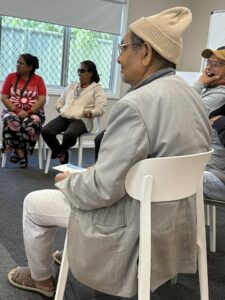 Access to Care: Participants were guided on how to access care, including the role of GPs as the first point of contact and pathways to specialist and hospital services. Local services such as Albury Wodonga Health and Gateway Health were highlighted. The availability of free interpreter services was also emphasised.
Inclusive Approach: The session was delivered in culturally appropriate communication and visual materials. This helped improve understanding, reduce stigma, and build trust within the community.
Looking Ahead: There is strong potential to expand similar community-based sessions to improve cancer awareness, promote screening, and strengthen connections between migrant communities and local health services.