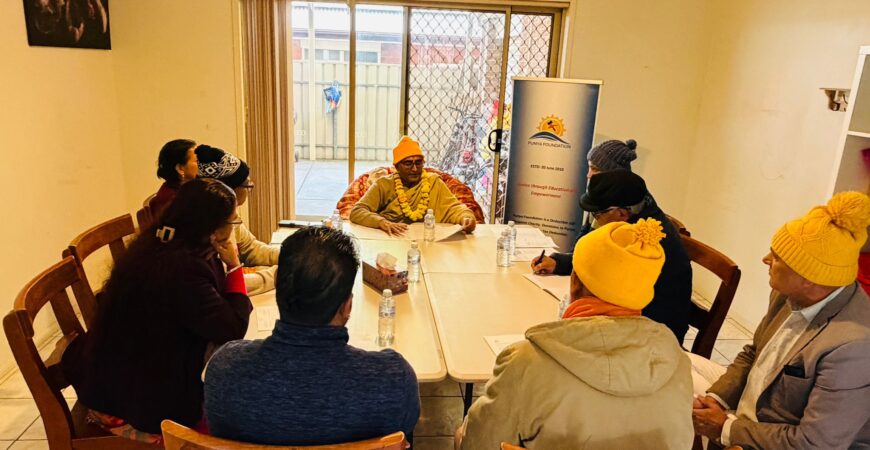
Punya Foundation organised its final Focus Group Discussion (FGD) to incorporate vital community suggestions and feedback for the remaining project sessions. Led by Acharya Santi Ram Upadhaya Dhakal and coordinated by Program Director Mr. Hari Adhikari, the session gathered diverse insights from community leaders, representatives of the Bhajan Kirtan Mandali, cancer patients, and dedicated carers and representatives of the service providers and community organisations to refine upcoming cancer awareness sessions.
The main outcomes of the discussion are categorised into the following key themes and findings:
- Awareness and cultural attitudes: General cancer awareness remains heavily limited by social stigma and fear. Long-term health worker Mr. Mohan Bhattarai emphasized that there is still a substantial amount of work to do to break through these deeply rooted cultural barriers. Stigma continues to prevent open family discussions, leading to profound patient isolation.
- Prevention and screening barriers: Significant knowledge gaps persist regarding free national screening programs in Australia, Mr Sanman Kafley reported. Fear of receiving a positive diagnosis, combined with a lack of targeted, culturally sensitive education, actively deters individuals from pursuing proactive health checks.
- Systemic and language obstacles: Navigating the Australian healthcare system poses a steep challenge for multicultural migrant communities asserted Ms Yoga Bhattarai and Ms Pratima Pokhrel. Language barriers severely impact communication with professionals, and while interpreter services are highly valuable, many individuals lack the confidence to request them and or trust their abilities. Logistical hurdles like transport and scheduling further complicate access.
- Support frameworks: Families and local community groups serve as the primary support pillars for affected individuals. However, Mr Narad Subedi and Mr Hem Adhikari said, awareness of formal, institutional support networks, such as the services offered by the Cancer Council, remains remarkably low. All participants laid focus on lack of supported and facilitated peer-groups.
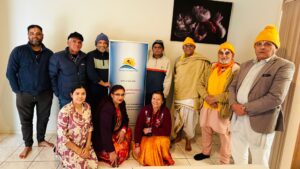
The previous 2 sessions were organised on 29 November 2025 and 2 January 2026. Those sessions also captured similar themes revolving around language barrier contributing to delayed access to cancer services.
Based on these findings, participants strongly recommended multiple, focused and targeted sessions to promote uptake of cancer screening within trusted cultural settings, to maximize community engagement. Concluding the session, the CEO, Mr. Kashi Adhikari, thanked all participants for their invaluable contributions, which will directly shape and optimise the remaining program sessions.